Pallava architecture
About
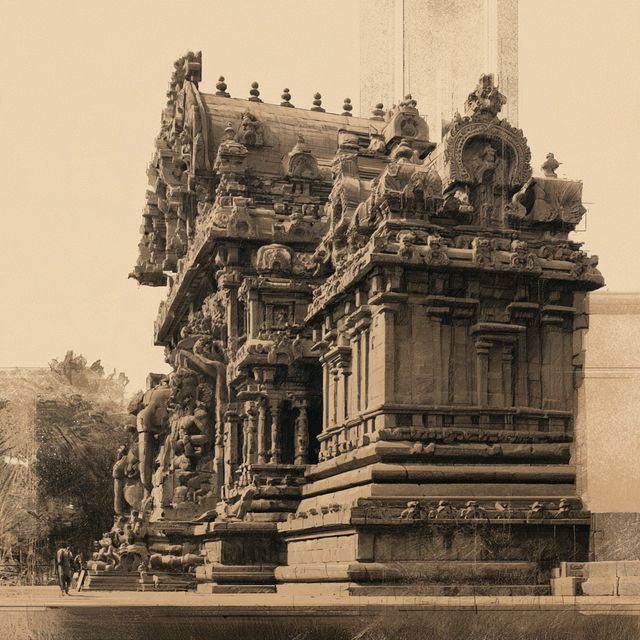
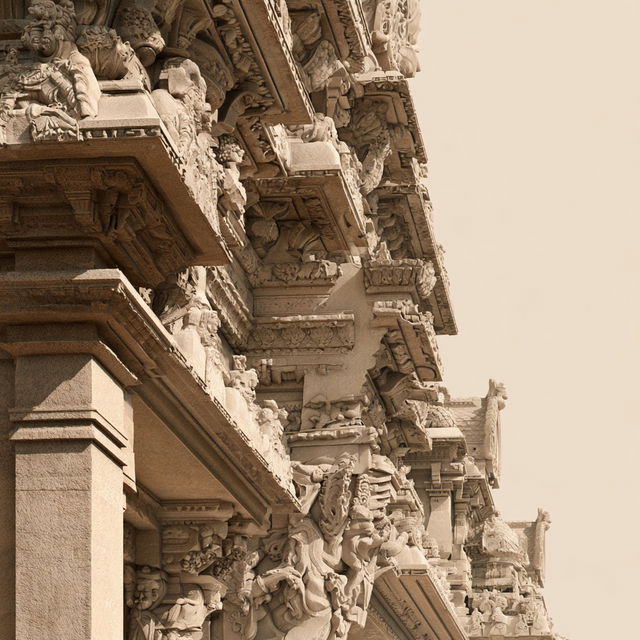
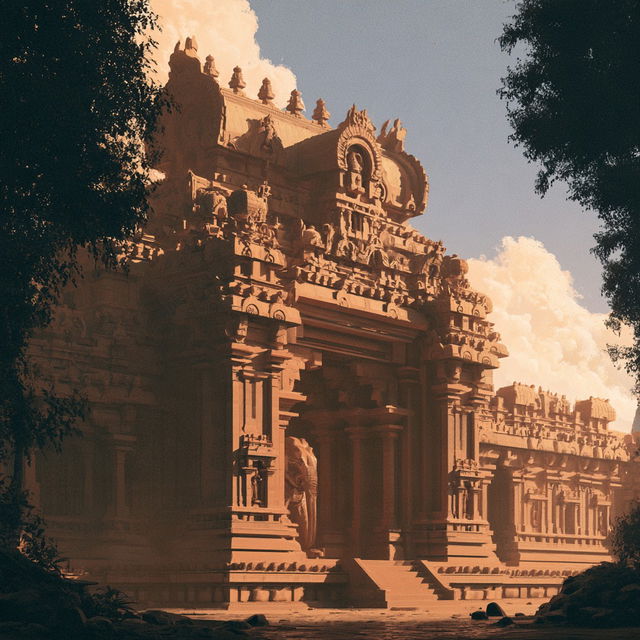
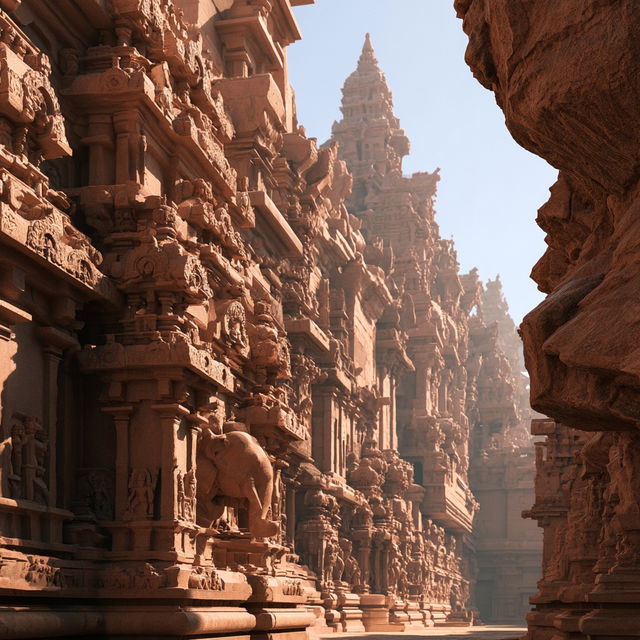
Pallava architecture is a style of South Indian architecture that flourished under the Pallava dynasty between the 7th and 9th centuries. It is known for its rock-cut temples and intricate stone carvings, reflecting the religious and cultural ethos of the time. The architecture is characterized by its use of granite, elaborate sculptures, and a blend of Dravidian and indigenous styles, often depicting Hindu deities and mythological narratives.
Observations
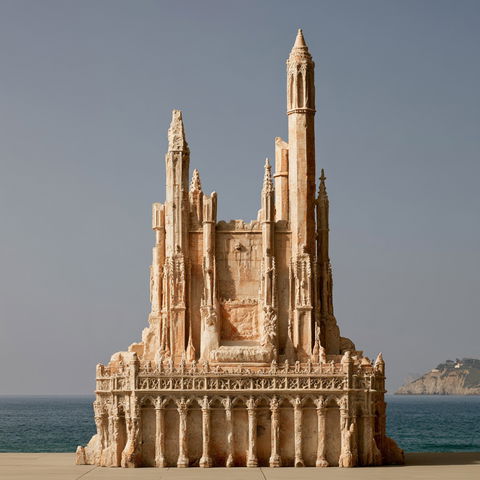
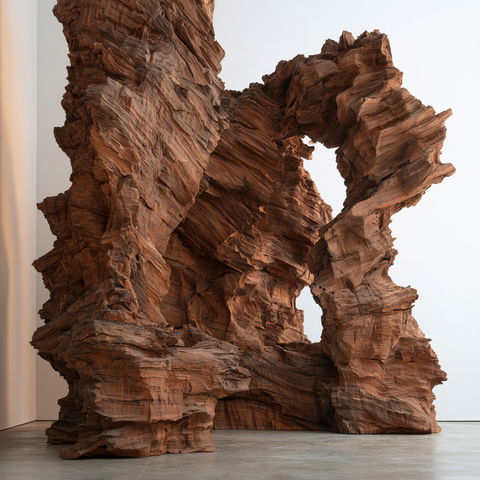
Across all four renders, monumental South Indian temple architecture is presented with highly realistic, sculptural stonework and dense ornamental carving. Warm subdued earth tones, directional sunlight, atmospheric distance, and dramatic low-angle framing give the ancient structures an epic, cinematic presence.