Save and like styles with a free account. A membership adds notes and more room. See membership →
About
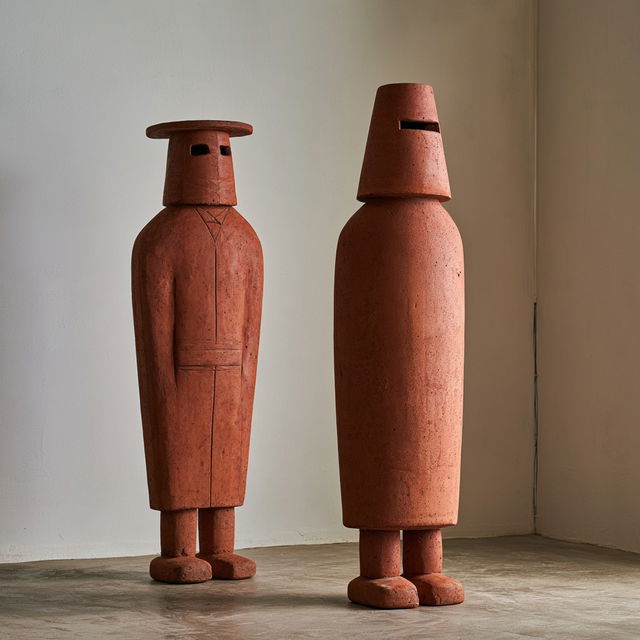
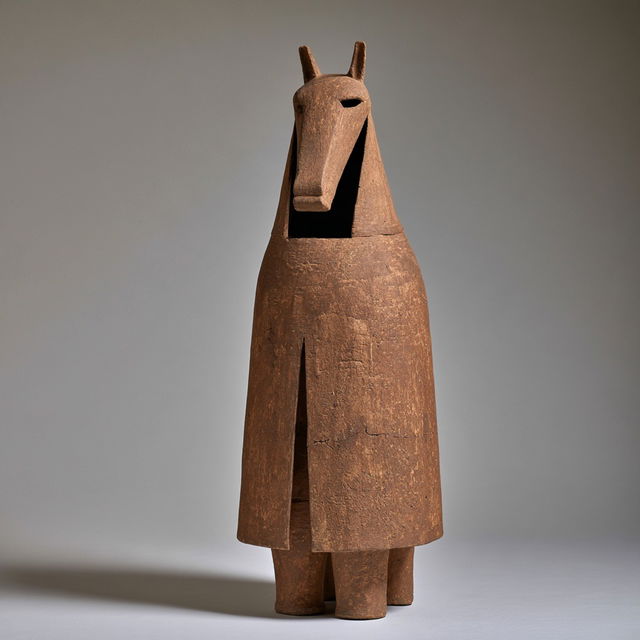
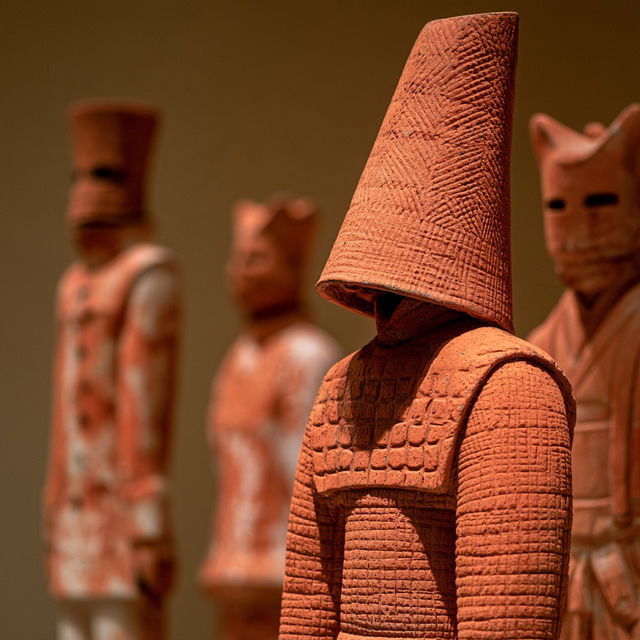
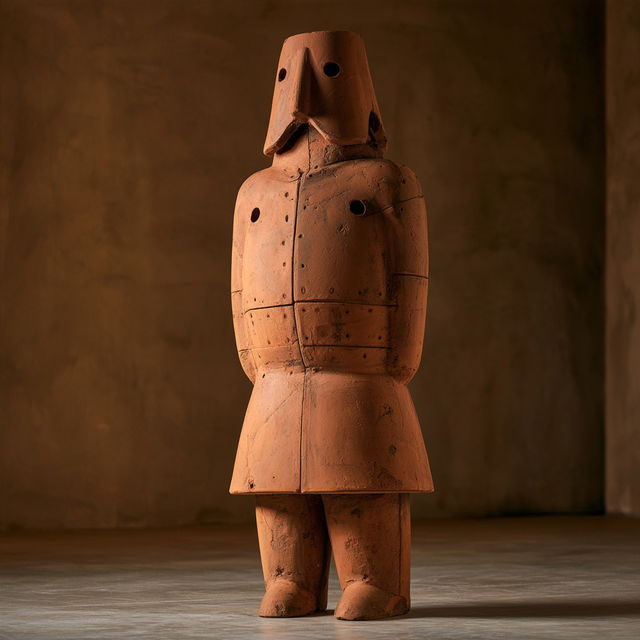
Haniwa is a type of Japanese clay figure that was used in funerary practices during the Kofun period (3rd to 6th century AD). These figures were placed on top of burial mounds and served both decorative and ritualistic purposes. They often depicted humans, animals, and objects, reflecting the beliefs and customs of ancient Japan.
Observations
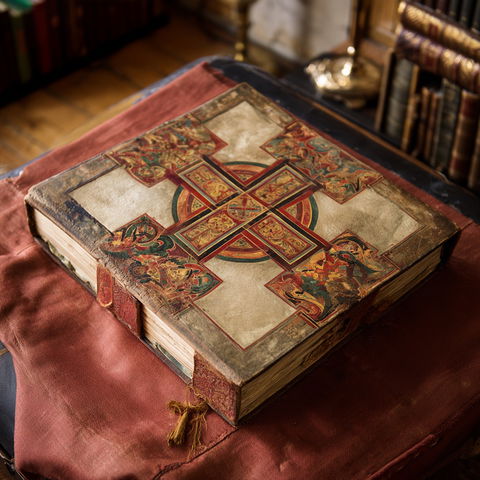
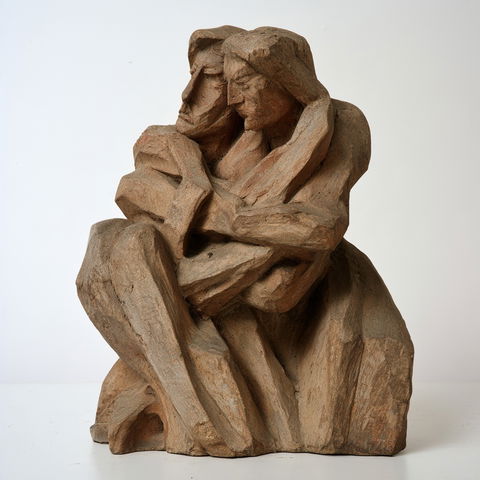
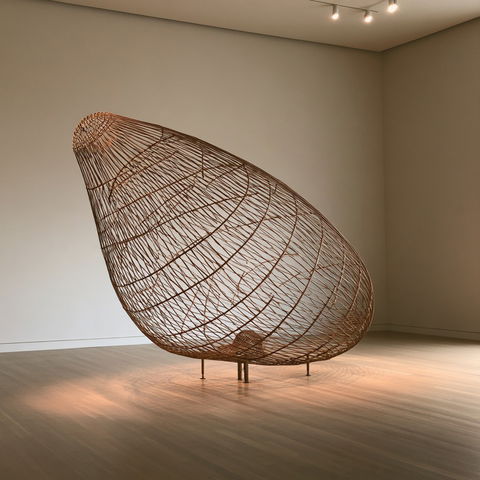
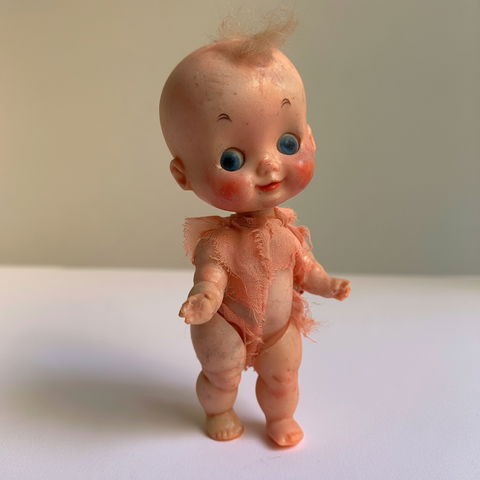
The style presents stylized terracotta or wood-like figures as solid, hand-crafted objects, with elongated bodies, simplified facial openings, and repeated geometric surface markings. Warm earthy tones, museum-like interiors, selective focus, and controlled directional lighting give the scenes an archaeological or devotional display quality.