About
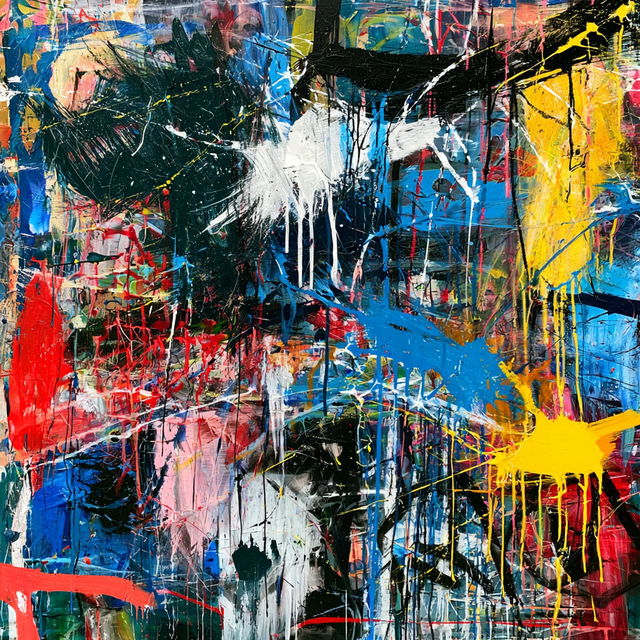
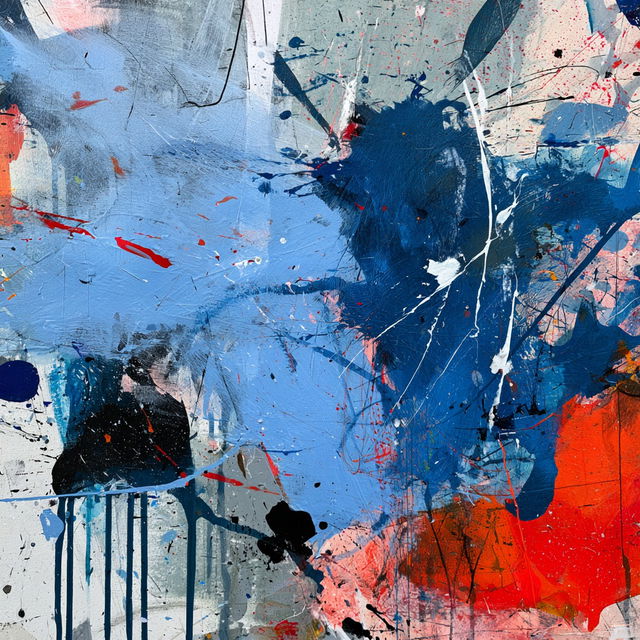
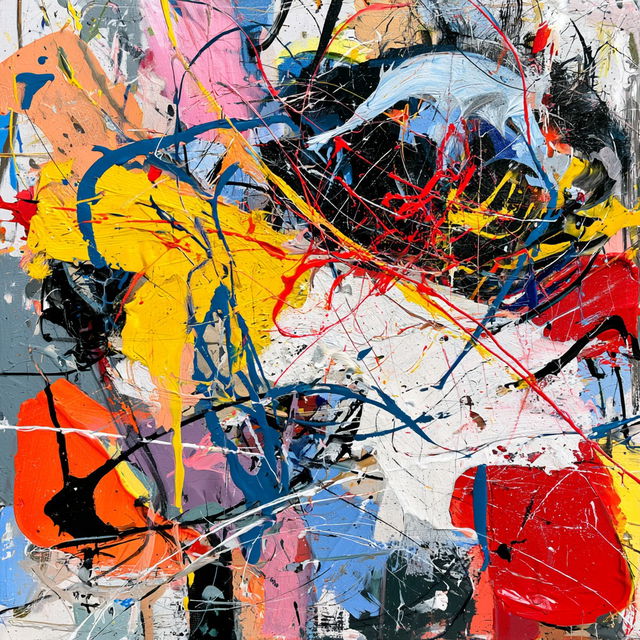
Abstract expressionism is a post-World War II art movement that originated in the United States, particularly in New York City. It is characterized by its emphasis on spontaneous, automatic, or subconscious creation. The movement is known for its large-scale works, dynamic compositions, and the use of bold colors and gestural brushstrokes. Artists like Jackson Pollock and Willem de Kooning are key figures in this movement, which sought to express the inner psyche and emotions of the artist.
Observations
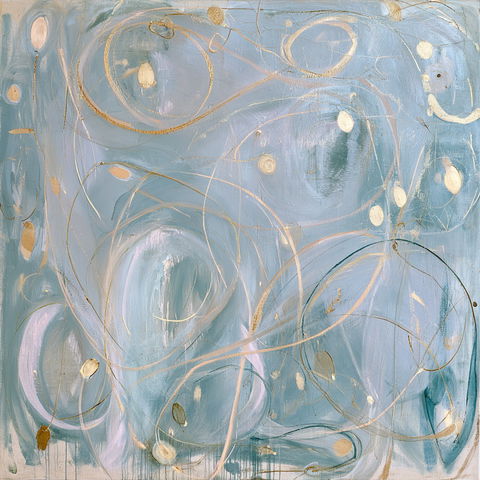
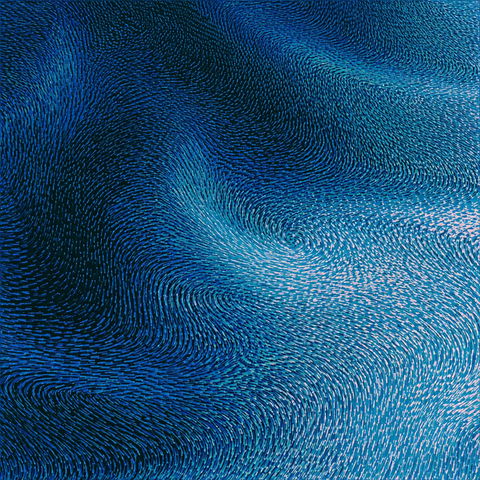
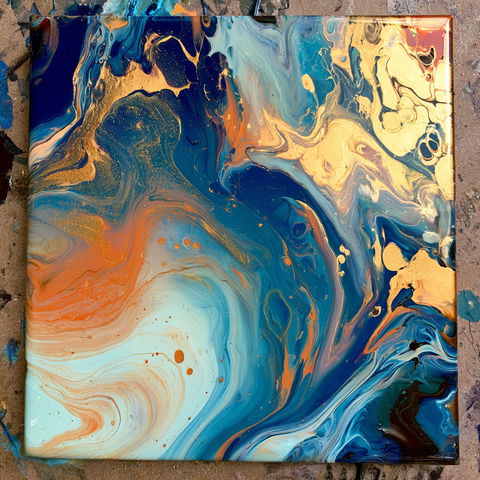
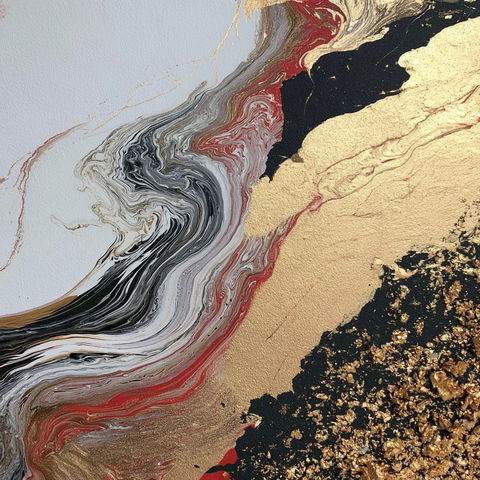
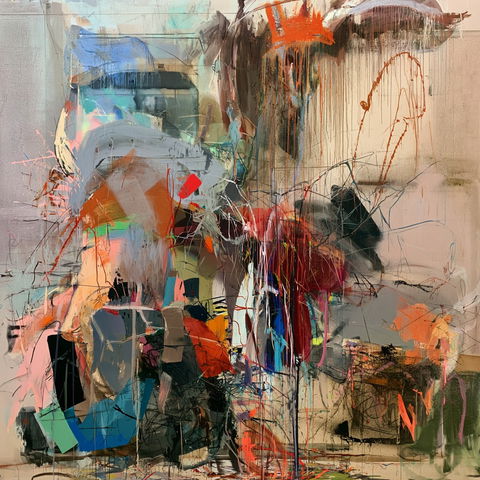
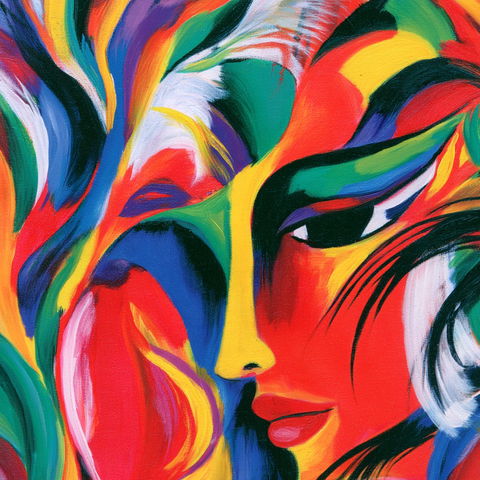
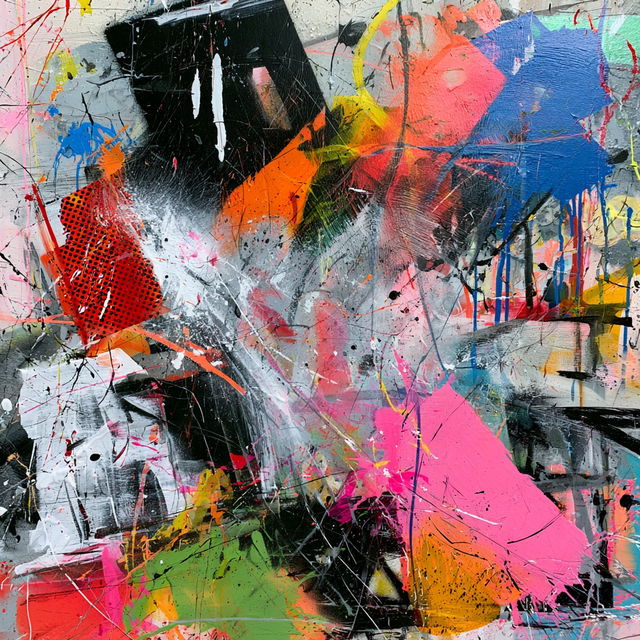
Across all four panels, the style is intensely abstract and painterly, built from thick, visible paint, broad gestural strokes, splatters, drips, scratches, and layered impasto-like surfaces. Saturated primary and fluorescent hues collide with deep black and white, while dense overlapping marks and recurring linear patterns create a forceful, highly expressive visual rhythm.